
Tharu Culture in Terai: Discover the Indigenous Heritage of Southern Nepal
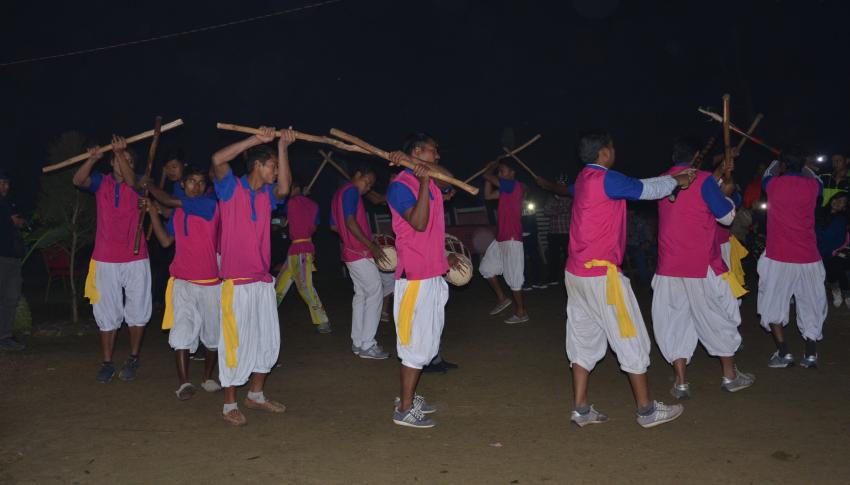
The Tharu culture in Terai is one of Nepal’s most fascinating and vibrant indigenous traditions. Living primarily in the southern plains of Nepal, the Tharu people have preserved their unique customs, language, architecture, food, and festivals for centuries. If you are planning a cultural tour to Nepal, exploring the Terai region offers a rich and authentic experience beyond the Himalayas.
In this blog, we’ll explore the history, lifestyle, traditions, and cultural highlights of the Tharu community in Terai.
Who Are the Tharu People?
The Tharu are an indigenous ethnic group of Nepal, mainly residing in the Terai lowlands along the border with India. Their population is concentrated in districts such as Chitwan, Bardiya, Kailali, and Kanchanpur. Historically, the Tharu people lived in forested areas and developed immunity to malaria, which allowed them to thrive in regions where others struggled.
Today, while modernization has influenced many aspects of life, the Tharu community continues to proudly protect its identity and traditions.
Traditional Lifestyle and Architecture
One of the most striking features of Tharu culture in Terai is their traditional housing. Tharu homes are built using mud, cow dung, bamboo, and thatch. These eco-friendly houses remain naturally cool during the hot Terai summers.
The walls are often decorated with beautiful handmade patterns and colorful motifs created by Tharu women. Villages are usually neat, organized, and surrounded by farmland where rice, mustard, wheat, and vegetables are grown.
Agriculture remains the backbone of the Tharu economy, and daily life revolves around farming, fishing, and livestock rearing.
Tharu Traditional Dress and Jewelry
Tharu attire is both colorful and symbolic. Women traditionally wear bright skirts, embroidered blouses, and heavy silver jewelry. Large silver necklaces, bangles, and anklets are common during festivals and cultural performances.
Men typically wear simple dhoti and kurta or traditional white garments. During special occasions, you can see elaborate costumes used for cultural dances.
These traditional outfits reflect the community’s deep connection to nature and heritage.
Festivals and Cultural Dances
Festivals play a major role in Tharu culture. The most important festival is Maghi, celebrated in January as the Tharu New Year. It marks the end of the winter season and the beginning of new agricultural cycles. During Maghi, families gather, prepare traditional food, and participate in lively dances.
Popular Tharu dances include:
- Stick Dance (Lathi Nach)
- Jhumra Dance
- Peacock Dance
These performances are energetic and often accompanied by traditional drums and folk songs. Visitors to places like Chitwan National Park and Bardiya National Park can enjoy Tharu cultural programs organized in local villages.
Tharu Cuisine: Taste of the Terai
Tharu cuisine is simple yet flavorful. Rice is the staple food, often served with fish, lentils, leafy vegetables, and pickles. Some popular Tharu dishes include:
- Dhikri (steamed rice flour dumplings)
- Ghonghi (snail curry)
- Fish curry
- Bagiya
Meals are usually organic and locally sourced, reflecting a sustainable way of living closely tied to nature.
Tharu Language and Social Structure
The Tharu people have their own language, which varies slightly across regions. While many Tharu also speak Nepali, their native dialect remains an important part of cultural identity.
Traditionally, the Tharu community followed a close-knit social structure with strong family bonds and village leadership systems. Elders play an important role in decision-making, and communal harmony is highly valued.
Experiencing Tharu Culture in Terai
If you are traveling to Nepal for wildlife safari or jungle adventure, combining your trip with a Tharu cultural experience makes it even more meaningful. You can:
- Visit a Tharu village
- Watch traditional dance performances
- Taste authentic Tharu cuisine
- Stay in community-run homestays
- Explore local handicrafts
A visit to the Terai region offers a perfect balance of nature, wildlife, and indigenous culture.
Why Tharu Culture Matters
Tharu culture in Terai represents resilience, harmony with nature, and rich indigenous heritage. In a rapidly modernizing world, preserving such traditions is essential. Cultural tourism not only helps travelers gain deeper understanding but also supports local communities economically.
If you are planning a Nepal tour beyond the mountains, don’t miss the opportunity to explore the vibrant Tharu culture in the Terai plains. It’s an experience filled with color, warmth, music, and authentic Nepali hospitality.
Final Thoughts
Nepal is not only about Everest and trekking; it is also about diverse ethnic traditions and living heritage. The Tharu community of Terai offers a cultural journey that is unique, educational, and unforgettable.
For travelers seeking authentic cultural experiences in Nepal, exploring Tharu villages in Terai should definitely be on your bucket list.