
Everest Trek or Annapurna Trek?
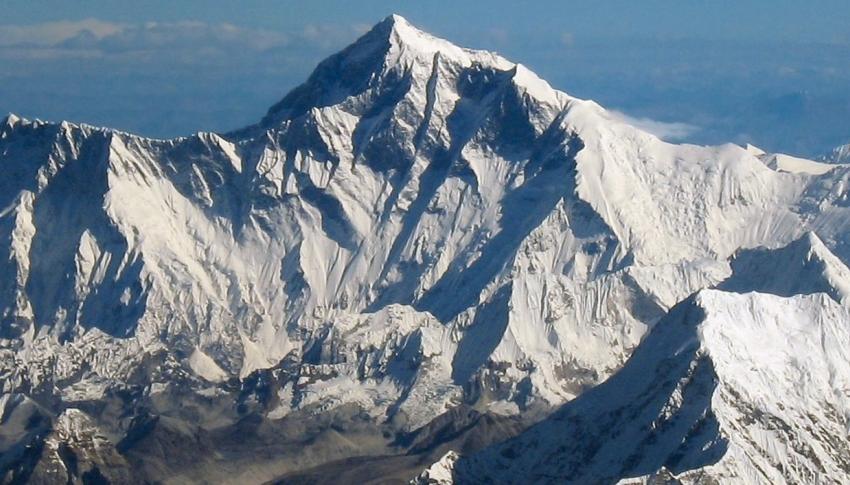
So, you've decided to trek in Nepal—excellent choice! You're about to embark on a life-changing journey through the world's most dramatic mountains. But now comes the big question: Everest Trek or Annapurna Trek?
These two names echo in the hearts of every adventurer. While both offer unparalleled Himalayan experiences, they are vastly different in character. Choosing between them isn't about which is "better," but which is better for you.
Let's break down every aspect to help you make your decision.
The Quick Summary: A Tale of Two Treks
- Everest Region (EBC Trek): The iconic, high-altitude challenge. This is a straight-up expedition into the heart of the high Himalayas, focused on reaching the legendary base camp of the world's tallest mountain. The scenery is stark, dramatic, and profoundly powerful.
- Annapurna Region (Circuit & Sanctuary): The varied classic. Often called the "trek of contrasts," the Annapurna Circuit takes you through ever-changing landscapes—from lush subtropical forests and rice terraces to a high mountain desert pass, all while circling the majestic Annapurna massif.
1. The Scenery & Cultural Experience
Everest Region:
- Scenery: Think big, bold, and breathtaking. The landscape is raw and rugged, dominated by glacial moraines, soaring peaks like Everest, Lhotse, and Ama Dablam, and the iconic Khumbu Icefall. The tree line is lower, so you're above it for longer, surrounded by rock and ice.
- Culture: This is the homeland of the Sherpas. Their rich Buddhist culture is everywhere—from ancient monasteries (like Tengboche) adorned with intricate murals to strings of prayer flags fluttering in the wind. The spiritual presence is palpable.
Annapurna Region:
- Scenery: Incredible diversity. You'll walk through vibrant green rice paddies, dense rhododendron forests (blazing with color in spring), dramatic river gorges, and into the arid, windswept landscapes of the Thorong La Pass. The mountain vistas include the near-vertical fishtail peak of Machhapuchhre and the immense wall of Annapurna I.
- Culture: A fascinating cultural mosaic. You'll interact with Gurung and Magar communities in the lower foothills and experience the strong Tibetan influence of the Manang Valley and the Mustang region. The pilgrimage site of Muktinath is sacred to both Hindus and Buddhists.
Winner for Diversity: Annapurna. For sheer variety of landscapes, it's unbeatable.
Winner for "Wow" Factor: Everest. The sheer scale of the mountains is unmatched.
Difficulty & Trekking Days: Everest Base Camp vs. Annapurna Circuit
When comparing the Everest Base Camp Trek and the Annapurna Circuit Trek, both offer unique challenges that test trekkers in different ways.
The Everest Base Camp Trek generally takes 12 to 16 days, with the highest point being Kala Patthar at 5,364m (17,598ft). Trekkers usually walk 5 to 7 hours daily on steep, rocky trails that involve long ascents and descents. The main challenge lies in the rapid altitude gain after Namche Bazaar, which requires careful acclimatization. You’ll spend multiple days above 4,000 meters, where the thin air makes every step harder and the risk of altitude sickness is always present.
The Annapurna Circuit Trek, on the other hand, is slightly longer, lasting 14 to 18 days for the full route. Its highest point is the Thorong La Pass at 5,416m (17,769ft), which is only slightly higher than Everest’s Kala Patthar. On average, trekkers spend 6 to 8 hours a day on the trail, with some longer days depending on the section. The terrain here is more diverse—ranging from gentle forest paths to steep climbs and the famous high pass crossing. Acclimatization tends to be easier on the Annapurna Circuit thanks to its gradual ascent, giving your body more time to adjust.
So, which trek is harder? The answer is a tie, but for different reasons. Everest Base Camp is more challenging overall because of the sustained high altitude, while the Annapurna Circuit has what many consider the single toughest trekking day in Nepal—crossing Thorong La Pass. This day demands a very early start, a steep, exhausting climb to the pass, and a long, knee-pounding descent.
In short, Everest tests your endurance against altitude, while Annapurna pushes your physical limits on its high pass crossing. Both treks are unforgettable adventures that demand preparation, stamina, and determination.
3. Best Time to Go: Seasons & Weather
Both treks share the same ideal seasons:
- Autumn (October to November): The prime season. Skies are crystal clear, temperatures are mild, and the mountain views are spectacular. It's also the busiest time.
- Spring (March to May): The second-best window. Days are warmer, and the rhododendron forests in the Annapurna region are in full, spectacular bloom. There's a higher chance of haze and afternoon showers.
Monsoon (June to September) and Winter (December to February) are challenging for both. Winters are extremely cold, especially at high altitudes, and Thorong La Pass can be closed due to snow. Monsoon brings rain, leeches, and obscured views.
4. Guide, Porter, and Teahouse Logistics
- Guides & Porters: Hiring a guide is highly recommended for both, especially for first-time trekkers in Nepal. They handle logistics, provide cultural context, and ensure your safety. A porter is a fantastic investment to carry your main pack, making your trek more enjoyable and sustainable for the local economy. This is common practice on both routes.
- Teahouse Accommodation: Both regions have extensive teahouse (lodge) networks. However:
- Everest: Teahouses are more basic at higher altitudes (Lobuche, Gorak Shep). Rooms are simple, and menus become more limited (and expensive) as you go higher.
- Annapurna: Generally, the teahouses are a bit more developed and comfortable, with a wider variety of food options, especially on the more popular sections.
5. Cost & Budget Considerations
The Annapurna region is generally slightly cheaper than Everest. Here’s why:
- Flights: The Everest trek typically starts with a thrilling but expensive flight from Kathmandu to Lukla (approx. $350-$400 round trip). The Annapurna Circuit starts with a budget-friendly bus or jeep ride from Pokhara (approx. $10-$50).
- Food & Lodging: Costs increase with altitude on both treks, but the overall daily average tends to be a little lower in Annapurna.
Budgeting Tip: Regardless of the trek, always carry extra cash for unforeseen expenses, snacks, and battery charging.
6. Crowds and Permits
- Crowds: Both are popular, but the trails to Everest Base Camp are often more consistently crowded, especially during peak season. The full Annapurna Circuit, being longer, sees people spread out more, though the new road sections have changed the dynamics.
- Permits:
- Everest Region: Requires the Sagarmatha National Park Permit and a Khumbu Pasang Lhamu Rural Municipality Permit.
- Annapurna Region: Requires the Annapurna Conservation Area Permit (ACAP) and the Trekker's Information Management System (TIMS) card.
Your trekking agency will handle these for you.
The Verdict: Which Trek Should YOU Choose?
Choose the Everest Base Camp Trek if:
- Your goal is to stand in the shadow of the world's highest mountain.
- You are fascinated by Sherpa culture and Buddhism.
- You are prepared for the mental and physical challenge of high altitude.
- You don't mind the cost of the flight to Lukla.
Choose the Annapurna Circuit Trek if:
- You want a journey of incredible variety—from green lowlands to a high desert pass.
- You prefer a longer, more gradual ascent for better acclimatization.
- You want a slightly more budget-friendly option that doesn't require a flight.
- You enjoy interacting with a more diverse range of ethnic cultures.
Ultimately, you can't make a wrong choice. Both treks are life-list adventures that will leave you with unforgettable memories and a profound sense of accomplishment.
Ready to start planning? Contact us here to speak with our trekking experts who have personally walked these trails and can tailor the perfect Himalayan adventure for you!